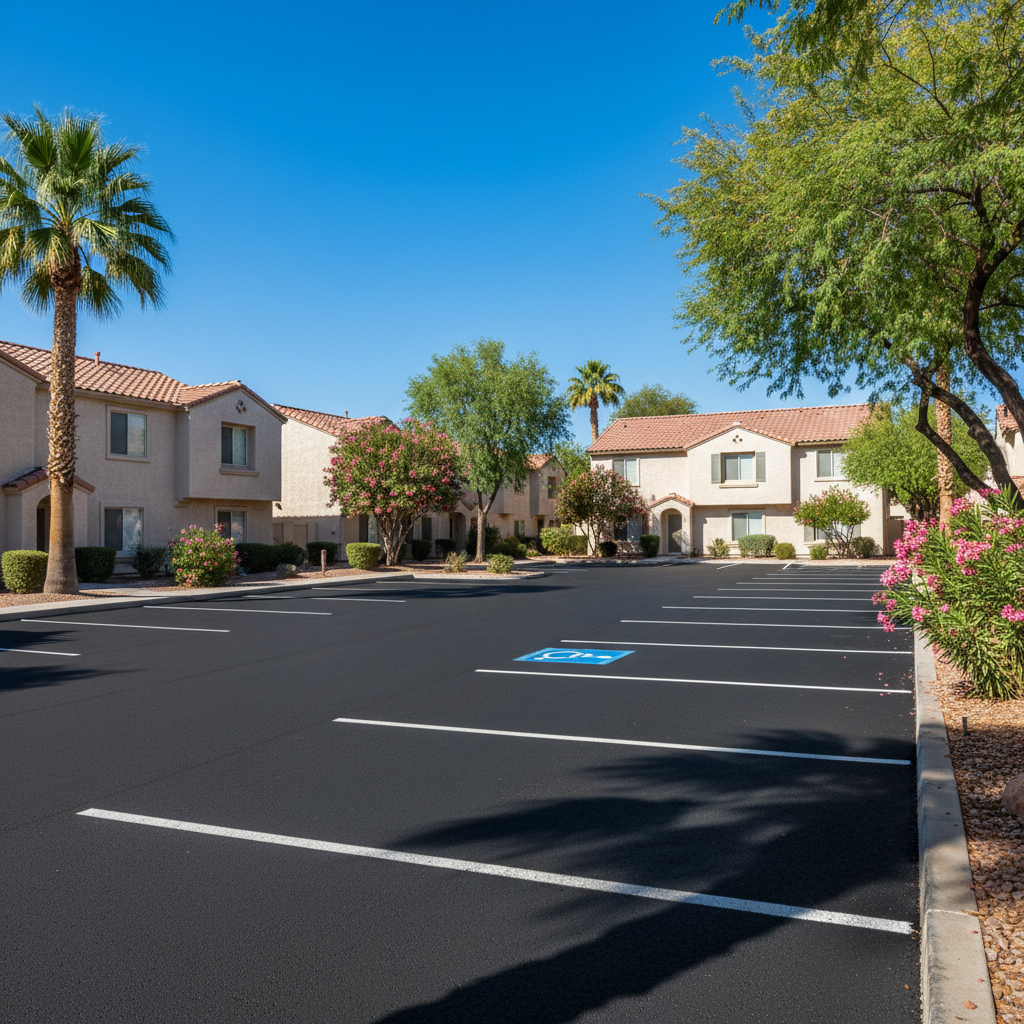
When's the best time to get that parking lot paved or repaired here in Mesa? That's a question I hear a lot, and for good reason. Our desert climate isn't like anywhere else, and it really dictates how long your asphalt lasts and when it makes sense to do the work. You've got to think seasonally if you want your parking lot to stand up to our brutal summers and surprisingly cool winters, you know?
Scheduling Your Paving: Timing is Everything in Mesa
Let's talk about timing. You can't just pave whenever you feel like it, especially not here. The biggest factor for us is temperature. Asphalt needs a specific temperature range to cure right. If it's too hot, it can get soft and rut easily. Too cold, and it won't compact properly, which leads to cracks down the line. It's a real Goldilocks situation, honestly.
- Fall (October to December): This is probably my favorite time for big paving projects. The daytime highs are usually in that sweet spot – warm enough for the asphalt to flow and compact well, but not so scorching that it's a nightmare for the crew or the material. Plus, the ground temperatures are still pretty stable.
- Spring (March to May): Another excellent window. Just like fall, you've got those ideal temperatures. The days are getting longer, and we're usually past any unexpected cold snaps. If you're thinking about a large job, these two seasons are your best bet for quality and longevity.
- Winter (January to February): For smaller repairs, patching, or crack sealing, winter can work. The cooler temps mean the asphalt takes longer to cure, but for minor fixes, it's manageable. You definitely don't want to be laying down a whole new lot when it's 40 degrees out. The material just won't bond right.
- Summer (June to September): Look, we try to avoid major paving in the summer if we can. Those 110-degree days? They're brutal on everyone and everything. The asphalt heats up so fast it can be tough to work with, and it can lead to issues like premature cracking or bleeding. If you absolutely have to do something in the summer, we're usually looking at early morning starts, trying to beat the worst of the heat. But honestly, if you can wait, wait.
Weather Conditions That Impact Paving Work
Beyond just temperature, there are other weather conditions we're always keeping an eye on. You might not think about it, but they're critical.
- Rain: This is a big no-go for paving. Asphalt needs a dry surface to bond properly. If it's raining, or if the ground is saturated from recent rain, we're not laying asphalt. It'll just fail. Even a little bit of moisture can mess things up.
- Humidity: High humidity can slow down the curing process, but it's usually not as big a deal as direct rain. Here in Mesa, our humidity is generally pretty low, so it's less of a concern for us than in, say, Florida.
- Wind: Strong winds can cool the asphalt too quickly, making it harder to compact. It can also blow dust and debris onto the fresh asphalt, which is a real problem.
So, when you call Alpha Asphalt of Mesa for a quote, we're not just looking at the size of your lot; we're also talking about the forecast. We want to make sure the conditions are perfect for a job that lasts.
Protecting Your Parking Lot Investment Year-Round
Once you've got that beautiful new asphalt, you want to keep it that way. Our Mesa sun and soil can be tough on pavement, but there are things you can do.
- Sealcoating: This is your first line of defense against the sun's UV rays, which are relentless here. Sealcoating every 2-3 years, depending on traffic, helps prevent oxidation and keeps your asphalt flexible. Think of it like sunscreen for your parking lot. It also helps repel water and makes your lot look sharp.
- Crack Sealing: As soon as you see cracks, get 'em sealed. Water is asphalt's worst enemy. Once water gets into those cracks, it expands and contracts with temperature changes, especially during our monsoon season when we get those heavy downpours. This leads to bigger cracks and eventually potholes. Sealing them early saves you a lot of money down the road.
- Regular Cleaning: Keep your lot free of debris, oil spills, and chemicals. Oil and gas can break down asphalt over time. A regular sweep and quick cleanup of spills goes a long way.
- Drainage: Make sure your drainage system is working right. Standing water is bad news. If water isn't draining off your lot effectively, it's going to sit there and degrade the asphalt. This is especially true for properties in areas like the Dobson Ranch neighborhood, where proper grading and drainage were often built in, but can get neglected over time.
Taking a proactive approach to your parking lot maintenance will save you headaches and cash in the long run. It's an investment, and like any investment, it needs a little care to pay off.