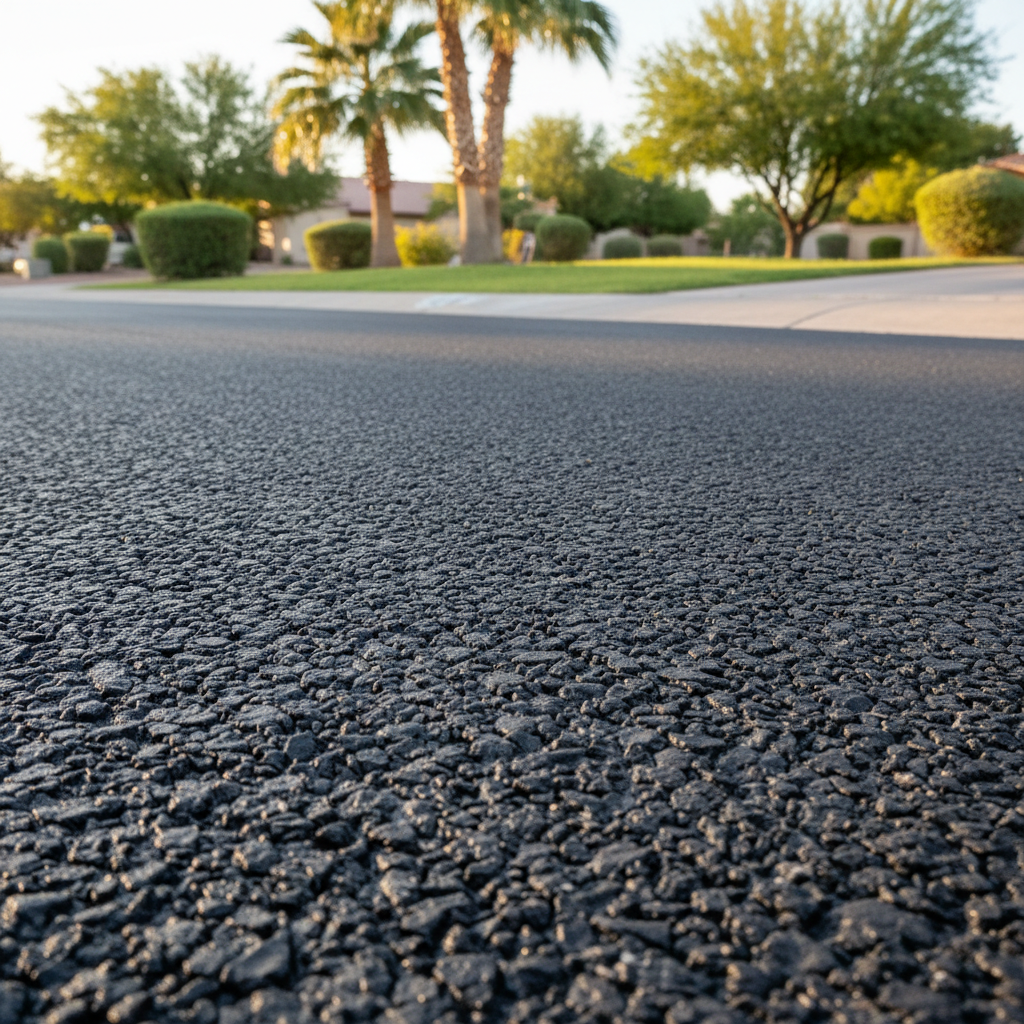
Thinking About a Parking Lot for Your Mesa Home?
So, you're thinking about putting in a parking lot right here on your property in Mesa. Maybe you've got a big RV, a boat, or just too many cars for the driveway you already have. Whatever the reason, adding a dedicated parking area is a smart move, a solid investment. But, hey, it's not like laying down a patio. There's a lot more to it than just pouring some asphalt. As a local contractor, I've seen homeowners try to tackle this themselves and, frankly, end up with a mess. Or even worse, they get a surface that just fails after a year. Let's chat about what you really need to know.
Before You Even Think About Digging
First things first, and this is a big one: planning. This isn't just about figuring out where you want the asphalt to go. You absolutely have to think about drainage. Mesa gets those intense monsoon rains, you know? If your parking lot isn't sloped correctly, you're going to end up with standing water. That's a nightmare for asphalt. It'll soften the base, crack the surface, and generally just shorten the life of your investment. So, where will that water actually go? Will you need catch basins? French drains? This is where a pro's eye is worth its weight in gold. I can tell you right off the bat if your proposed spot is going to turn into a swamp after the first big storm.
Next up: utilities. Are there any buried lines where you're planning to pave? Gas, water, electrical, sewer, irrigation? You *must* call 811 before you dig. It's free, it's the law, and it saves you from a potentially dangerous—and expensive—mistake. Don't skip this step. Seriously, don't.
Permits. Depending on how big your project is and what it involves, you might need one from the City of Mesa. A small extension of an existing driveway? Probably not. But a whole new parking area that changes the grade or impacts drainage? You should definitely check with the city's planning department. Ignorance isn't an excuse if you get caught without one, right?
The Groundwork: Where DIY Ends and Pros Begin
This is the most critical part of any paving project, and it's where most DIYers really get into trouble. A good parking lot is only as good as its foundation. Here's how we break it down:
- Excavation: You need to remove the existing soil and vegetation. Sounds easy enough, right? But you've got to get down to a stable subgrade. Here in Mesa, we've got some pretty tough caliche soil. It's hard, yes, but it can also expand if it's not handled the right way. You'll need heavy equipment for this—a skid steer or an excavator. Renting one is an option, sure, but operating it effectively is a whole other story.
- Subgrade Preparation: Once we've excavated, the subgrade needs proper compaction. This means using a vibratory compactor, not just driving over it with your truck. If the subgrade isn't solid, your asphalt will crack and sink.
- Base Material: This is usually a crushed aggregate, like ABC (Aggregate Base Course). It needs to be spread evenly, graded for proper drainage, and then heavily compacted in layers. This is what gives your asphalt its structural support. We're talking several inches thick, not just some thin layer. Getting the grade right here is absolutely crucial for water runoff.
Can you do some of this yourself? Maybe the initial clearing if you're handy with a shovel and have a strong back. But for proper excavation, grading, and compaction of the subgrade and base, you truly need professional equipment and experience. This is exactly where Alpha Asphalt of Mesa comes in. We've got the machinery and the know-how to get this foundation absolutely right. Skimping here pretty much guarantees future headaches.
The Asphalt Laying Process
This is definitely not a DIY job for a parking lot, not at all. Laying asphalt requires specialized equipment and a crew. You're talking about hot asphalt, which comes out of the truck at around 300 degrees Fahrenheit. It needs to be spread quickly and evenly with a paving machine, then compacted immediately with heavy rollers. If it cools too much before compaction, it won't bond properly, and you'll end up with a weak, crumbly surface. Getting the right thickness, the right compaction, and a smooth, even finish with proper drainage? That's an art and a science.
The only part you might consider doing yourself is a very small patch job on an existing lot. But for a whole new parking area, leave this to the pros. It's an investment, after all, and it needs to be done right the first time.
After the Paving: Care and Maintenance
Once your new parking lot is down, you're not entirely off the hook. Here’s what you need to do:
- Curing Time: Stay off it! Give it at least 24-72 hours before driving on it, especially if you have heavy vehicles. The asphalt needs time to cure and harden. If you drive on it too soon, you can create ruts and depressions.
- Sealcoating: This is like sunscreen for your asphalt. About 6-12 months after paving, you'll want to get it sealcoated. This protects it from the harsh Arizona sun, oils, and water penetration. It's a maintenance item that significantly extends the life of your parking lot. You *could* try a small section yourself, but for a whole parking lot, it's usually best to hire it out for an even, professional application.
- Crack Sealing: Keep an eye out for small cracks. They'll happen eventually, you know. Sealing them promptly prevents water from getting into the base and causing bigger problems. Small cracks you might be able to handle with a pourable crack filler, but larger or widespread cracking means it's time to call a pro.
- Cleaning: Keep it clean. Sweep away debris, especially gravel or sharp objects that can damage the surface. Clean up oil or gas spills quickly, as they can degrade the asphalt.
A new parking lot is a great addition to any Mesa home. Just remember, the foundation is everything, and while some minor maintenance is DIY-friendly, the heavy lifting of installation is definitely a job for experienced professionals.