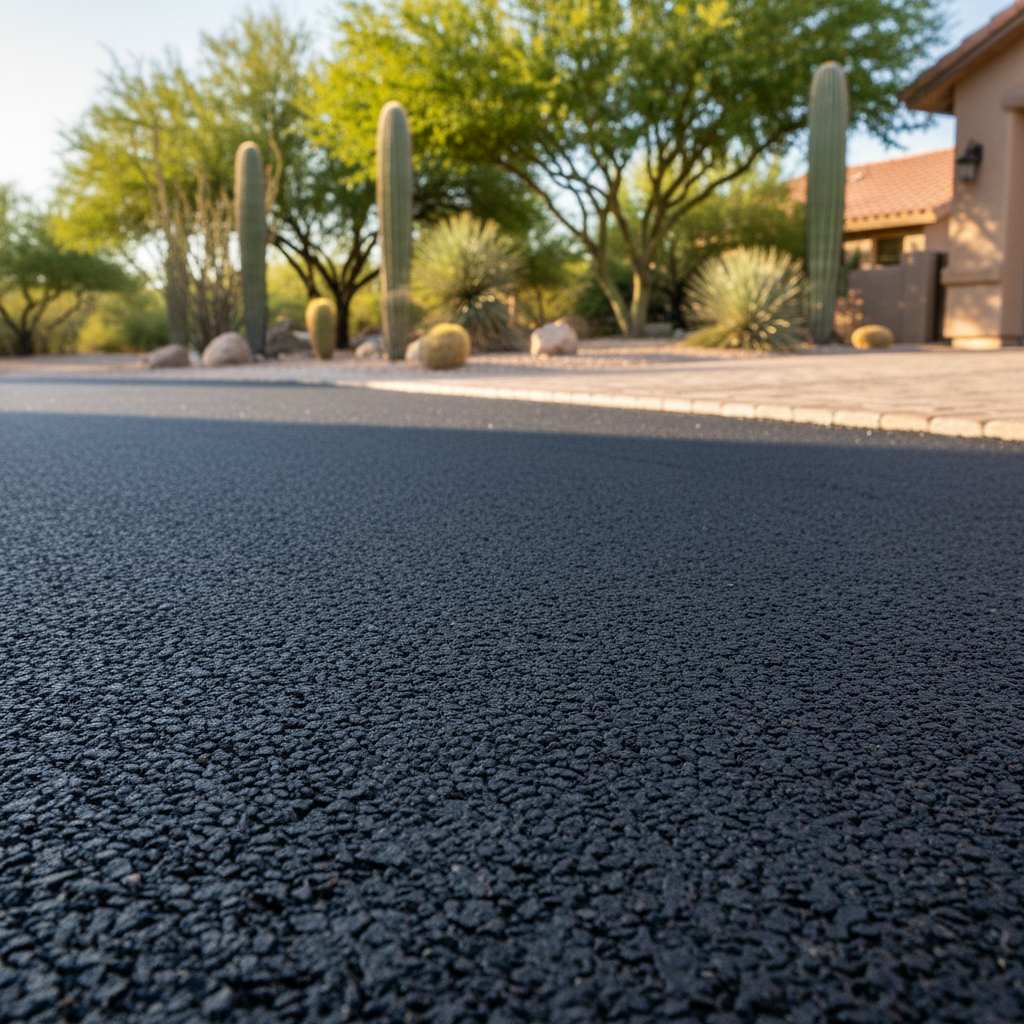
Alright, let's talk asphalt. You might think of asphalt as just for big parking lots or city streets, but a lot of Mesa homeowners deal with it too. Maybe you've got a long, winding driveway, a shared private road with neighbors, or your HOA is looking at repaving common areas. Whatever it is, these aren't your typical DIY weekend projects. You're dealing with something bigger than a patch job, and you need to know what you're getting into.
Before the Shovel Hits the Ground
Planning is everything, especially out here where the ground gets baked by the sun. Don't rush this part. It's where you save yourself headaches and money down the line.
Know Your Project: Is it a brand-new installation, or are you looking to repave an existing surface? New installs mean a lot more prep work, like grading and laying down a proper base. Repaving might be simpler, but you still need to assess the existing condition. If it's cracked all to heck, just paving over it won't fix the underlying issues.
Budget Realistically: Asphalt isn't cheap, especially when you're talking about larger areas. Get multiple bids. Don't just go for the lowest price; you often get what you pay for. Ask what's included: excavation, grading, base material, asphalt thickness, compaction, and drainage. Speaking of drainage, that's huge here in Mesa. We get those monsoon downpours, and if your asphalt doesn't drain right, you'll have standing water and accelerated damage.
Check References & Insurance: This is non-negotiable. Any reputable contractor, like us at Alpha Asphalt of Mesa, will have references and proper insurance. You don't want someone working on your property who isn't covered if something goes wrong. Ask for proof of liability and workers' comp.
Understand the Scope: What kind of base material are they using? How thick will the asphalt layer be? For residential applications that see heavy vehicle traffic (like RVs or multiple cars), you want a good, solid base and at least 2-3 inches of compacted asphalt. Skimping here means cracks and potholes sooner than later.
During the Work: What to Watch For
Once the crew starts, it's not really a DIY situation anymore. This is where the pros earn their keep. But you can still be an informed observer.
Preparation is Key: Watch how they prepare the subgrade. Is it properly graded for drainage? Are they compacting the base material thoroughly? If they're just throwing asphalt over a soft, uneven base, you're going to have problems. The base is the foundation; if it's weak, the surface will fail.
Asphalt Application: The asphalt should be laid at a consistent temperature and thickness. You want a smooth, uniform surface. Watch for areas that look uneven or poorly compacted. Good compaction is crucial for durability. If the asphalt isn't compacted enough, it'll be more porous and wear out faster.
Drainage Details: Make sure they're creating proper slopes for water runoff. This is especially important in areas like the Red Mountain Ranch where slopes can be tricky. You don't want water pooling up against your garage or house foundation.
Communication: Stay in touch with the project manager. If you have questions or concerns, bring them up immediately. A good contractor will be transparent and address your questions.
After the Job is Done: Protecting Your Investment
The asphalt is down, it looks great. Now what? Your job isn't over. You need to protect that investment.
Curing Time: Don't drive on it right away! Asphalt needs time to cure and harden. Your contractor will tell you how long, but typically it's at least 24-48 hours for light traffic and longer for heavy vehicles. Parking a heavy truck on it too soon can leave permanent indentations.
Sealcoating: This is huge for extending the life of your asphalt. Sealcoating protects against UV rays (which are brutal here in Arizona), water penetration, and oil spills. I usually recommend sealcoating new asphalt within a year, and then every 2-3 years after that, depending on traffic and sun exposure. It's like sunscreen for your driveway.
Crack Repair: Don't ignore small cracks. They're like little invitations for water to get under your asphalt, freeze (rarely here, but it happens), expand, and cause bigger problems. Fill them promptly. You can do small crack filling yourself with products from the hardware store, but for extensive cracking, call a pro.
Cleaning & Maintenance: Keep it clean. Sweep off debris, especially gravel or dirt that can wear down the surface. Address oil and gas spills quickly; they can break down the asphalt binder. A little routine care goes a long way.
Look, a big asphalt project is a significant investment for any homeowner. Doing your homework and knowing what to expect will help you get a quality job that lasts. If you've got questions or need a quote for a project around Mesa, don't hesitate to give us a call at Alpha Asphalt of Mesa. We're here to help you get it done right.