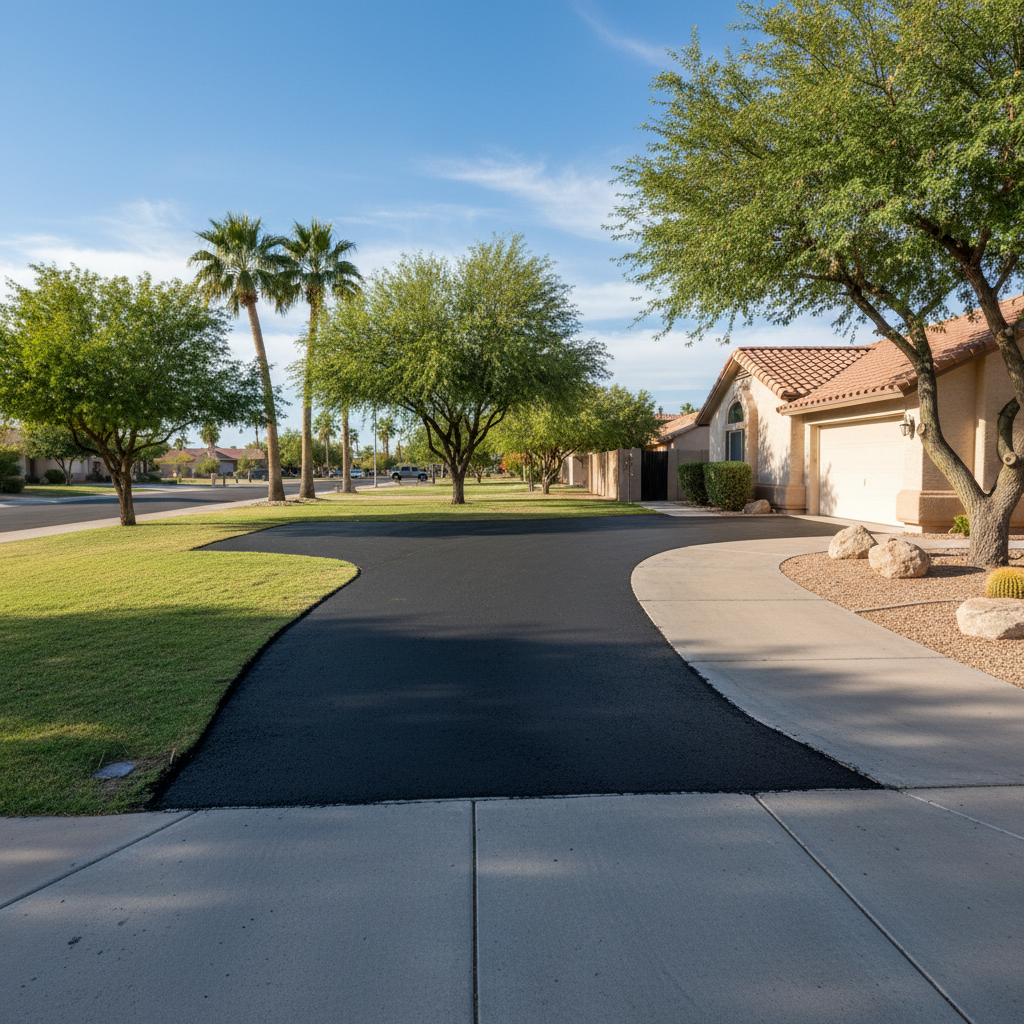
Okay, let's talk about fixing up your asphalt. Maybe you've got some cracks, or a pothole or two, and you're probably wondering what it takes to get that driveway or private road looking good and working right again. It's more than just dumping some black stuff down, you know; there's a real process involved, and understanding it beforehand can save you a bunch of headaches and money.
Asphalt here in Mesa really takes a beating, especially with our scorching summers and those sudden monsoon downpours. That intense Arizona sun bakes the binders right out of the asphalt, making it brittle and prone to cracking. Then, water sneaks in, and before you know it, a small crack turns into a much bigger problem. So, dealing with these issues quickly is super important for making your pavement last longer.
When Should You Get Your Project Done?
First off, when's the best time to even think about repairs? While you can handle some emergency fixes any time, spring and fall are generally your best bet. Why? Because the milder temperatures help the new asphalt cure just right, leading to better, longer-lasting results.
For most typical residential asphalt repair jobs — things like patching or crack sealing — you're usually looking at something that can be done in about a day. If it's a bigger job, like resurfacing a larger area, that might stretch to 1-2 days. And a full replacement? That's a much bigger undertaking, sometimes taking 2-4 days. Of course, all this really depends on how big and complicated your specific project is.
Here’s a rough idea of how the timeline usually plays out:
- First Chat & Quote (1-3 days): You get in touch, we talk about what you're seeing, and we set up a time to come out.
- Site Visit & Proposal (3-5 days after contact): A pro comes to check out the damage, measure things, and figure out the best way to fix it. This is where we figure out if it's just surface cracks or if there's a deeper issue with the base. You'll then get a detailed proposal that lays out the work and the cost.
- Scheduling the Work (Varies): Once you give us the green light, we'll get you on the schedule. This can change based on the season and how busy we are.
- Getting the Work Done (1-4 days): This is when the actual repair happens.
- Curing Time (1-7 days post-repair): You'll need to keep off the repaired area for a bit. Walking on it might be okay after 24 hours, but heavy vehicles usually need to wait longer — sometimes up to a full week, especially with our hot Mesa climate.
What Happens During the Repair Process?
When the crew arrives, they'll have a clear plan. The process generally involves a few key steps:
- Cleaning and Prepping the Surface: This step is super important. We're not just patching over dirt, after all. The crew will clear away any debris, leaves, loose asphalt, or weeds. If there's oil or grease, that needs to be cleaned up too. Sometimes, they might grind down or roughen small sections to help the new material stick better.
- Fixing the Damage: What happens here depends on the kind of repair needed.
- Crack Sealing: We clean out the cracks, then fill them with a rubberized sealant. This stops water from getting in and causing more damage.
- Pothole Repair: For potholes, the damaged area gets cleaned, loose debris removed, and then we fill it with new asphalt mix and compact it down. Sometimes, it’s a full-depth patch where we cut out the old material, re-compact the base, and then put down fresh hot-mix asphalt.
- Asphalt Patching: For bigger areas that have failed, we saw-cut and remove sections, compact the sub-base, and then apply new hot-mix asphalt.
- Putting Down a Tack Coat: After any repairs are done, we often spray a thin layer of sticky, asphalt-based adhesive, called a tack coat, over the area. This helps the new asphalt bond really well to the existing surface.
- Laying New Asphalt (if needed): If it's a larger patch or resurfacing job, we lay down hot mix asphalt evenly and compact it with rollers.
- Cleanup: A good crew always cleans up the work area, taking away any debris or leftover materials.
How to Get Your Property Ready
You can really help make the whole process smoother for everyone involved:
- Clear the Area: Move your vehicles, trailers, trash cans, and anything else off the asphalt surface and out of the immediate work zone.
- Trim Vegetation: If you have bushes or trees hanging over the area, trim them back. This gives the crew plenty of room to work and keeps leaves or branches from falling into fresh asphalt.
- Mark Sprinklers/Utilities: If you have any sprinkler heads or shallow utility lines near the repair area that aren't obvious, please mark them clearly. We're always careful, but knowing exactly where things are really helps.
- Communicate: If you have specific concerns or questions before the work starts, just talk to the project manager. That's what they're there for.
- Plan for Access: Remember, you might not be able to drive or walk on the repaired area for a little while. So, plan ahead for parking cars somewhere else or using different entrances.
Questions to Ask Before You Sign Anything
Don't be shy here. You're making an investment in your home, so ask away! Here are some key questions:
- Is your company licensed and insured? This isn't just a suggestion; it's a must. You want to be sure they're legitimate and that you're protected if something goes wrong.
- Can I get a detailed, written estimate that includes all charges? Make absolutely sure there are no surprises later. This should cover labor, materials, equipment, and any extra fees.
- What specific repair method do you recommend and why? There are different ways to fix asphalt — crack sealing, patching, resurfacing, and so on. A good contractor will explain their approach and why it's the best fit for your situation.
- What kind of materials will you be using? Especially here in Mesa, the quality of the asphalt mix really matters because of our extreme heat.
- Do you offer a warranty on your work? A reputable company stands behind their repairs, right? Ask about how long it lasts and what exactly it covers.
- How long have you been in business, and do you have experience with projects like mine in Mesa? Experience counts, especially in our unique climate.
- Can you provide references or examples of similar past work? Seeing is believing, as they say.
- What's the estimated timeline for completion, and how long will the curing take? Get a clear understanding of when you can actually use your asphalt again.
- Who will be my main point of contact during the project? Knowing who to call with questions is always helpful.
- What's your cleanup process like after the job is done? You definitely don't want to be left with a mess.
By asking these questions and understanding the process, you'll be really well-prepared for your asphalt repair project. Here at Alpha Asphalt of Mesa, we're always happy to walk you through every step and make sure you're totally comfortable with the plan. We want your asphalt to last, and that starts with doing it right.