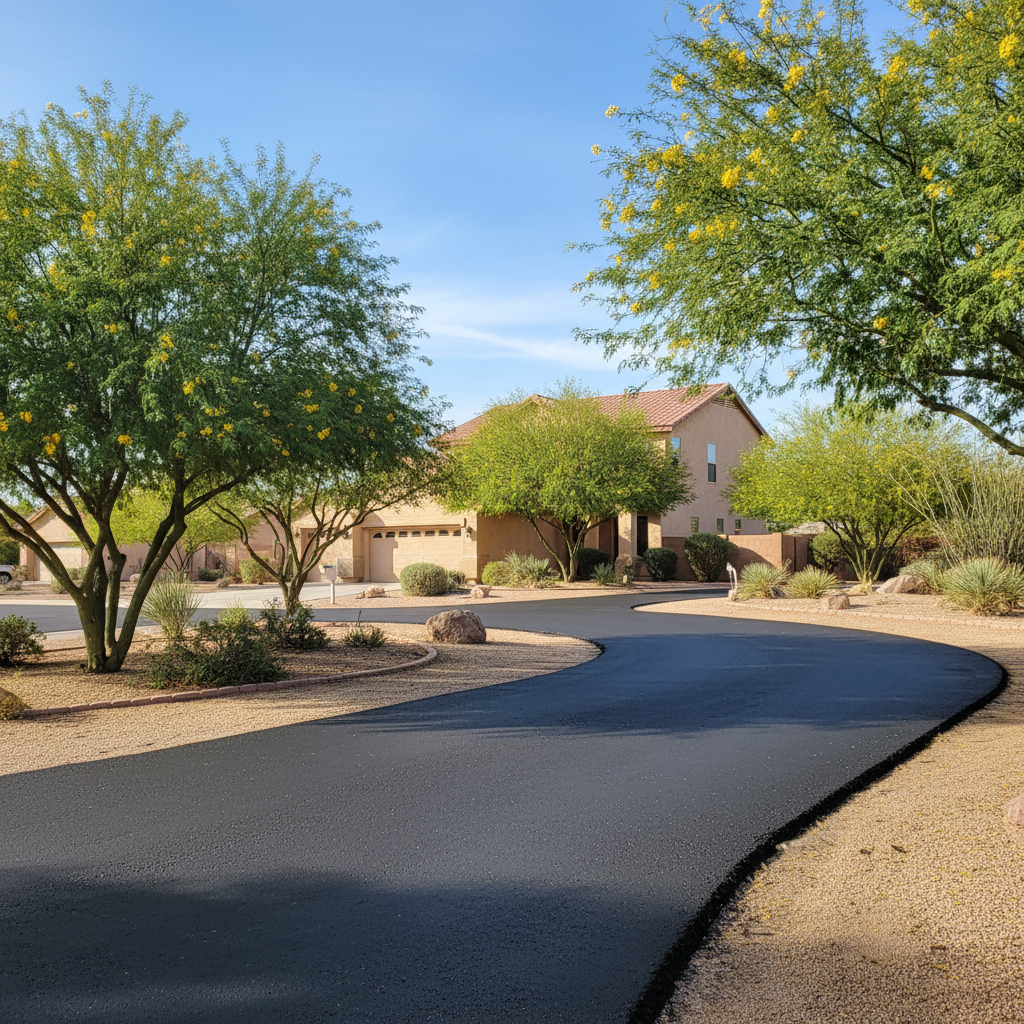
Alright, Mesa homeowners, let's talk about your asphalt. I get a lot of calls asking about the 'right' time to get a driveway paved or repaired. And honestly, in our neck of the woods, timing and weather are everything. You can't just pick any old Tuesday and expect the best results. Our desert climate is unique, and it really impacts how asphalt behaves.
When's the Best Time to Pave in Mesa?
Here's the deal: asphalt needs warmth to cure correctly, but not too much heat. It's a bit like that Goldilocks story, you know? If it's too cold, the asphalt mix cools down way too fast, making it tough to compact properly. You end up with a weaker surface that's more likely to crack. If it's too hot, the asphalt can stay too soft for too long, which leads to issues like rutting or shoving, especially when heavy vehicles are involved.
So, what does all that mean for Mesa? I'd say the sweet spot for major paving projects is usually:
- Spring (March to May): Temperatures are generally mild then, often in the 70s and 80s, which is perfect. The ground has warmed up from winter, and we're not yet in the brutal summer heat.
- Fall (October to November): These months offer comfortable temperatures, much like spring. The days are still warm enough for proper curing, but the intense summer sun has finally backed off.
We can definitely work outside these windows for smaller repairs or sealcoating. But for a full driveway replacement or a significant overlay, aiming for spring or fall is your best bet if you want a long-lasting job.
How Mesa's Weather Affects Your Paving Project
You know how our summer days hit 110 degrees and the pavement feels like a frying pan? That's not ideal for fresh asphalt, not at all. Here's what we're always watching:
- Extreme Heat: As I mentioned, too much heat can make new asphalt too pliable. We often start projects super early in the morning during summer months. That way, we get the work done before the day's peak heat. This is especially true for residential driveways where you might have cars sitting on it soon after.
- Rain: This one's a no-brainer. You can't pave in the rain. The asphalt mix needs a dry surface to bond correctly. Even a light drizzle can mess up the adhesion and compromise the integrity of the new pavement. If rain is in the forecast, we'll reschedule. It's better to wait a day or two than to lay down a sub-par product, right?
- Ground Temperature: It's not just the air temperature; the ground temperature matters too. If the ground is too cold, it'll suck the heat out of the asphalt mix too quickly, preventing proper compaction and curing. This is less of an issue in Mesa than in, say, Flagstaff, but it's still something we consider during our cooler winter months.
We're always checking the forecast and using our experience with Mesa's microclimates. For instance, areas closer to the Superstition Mountains might have slightly different wind patterns or cool-down rates than, say, a neighborhood near Dobson Ranch.
Protecting Your Asphalt Investment Year-Round
Once you've got that fresh, black asphalt, you want to keep it looking good and performing well. Here's what you can do:
- Sealcoating: Think of sealcoating as sunscreen for your driveway. Our intense UV rays here in Mesa are brutal on asphalt, drying out the binders and making it brittle. A good sealcoat every 2-3 years (depending on traffic and sun exposure) protects it from UV damage, water penetration, and even oil spills. It's a small investment that pays off big time in extending your driveway's life.
- Crack Sealing: See a crack? Don't ignore it. Cracks are entry points for water, and water is asphalt's worst enemy. Once water gets under your driveway, it can erode the base layer, leading to potholes and more extensive damage. Get those cracks sealed promptly.
- Cleanliness: Keep your driveway free of debris, especially oil and gas spills. These petroleum products can break down the asphalt binders. Clean them up quickly.
- Drainage: Make sure water drains off your driveway properly. If you've got puddles forming, that's a problem. Standing water can soften the asphalt and lead to premature failure.
- Heavy Loads: Try to avoid parking heavy RVs or equipment in the same spot for extended periods, especially on hot days. The weight combined with the heat can cause depressions or rutting.
At Alpha Asphalt of Mesa, we don't just lay pavement; we want to help you take care of it. Understanding our local climate and taking these proactive steps will save you a lot of headaches and money down the road. If you've got questions about your specific driveway or need a quote, just give us a call. We're here to help.