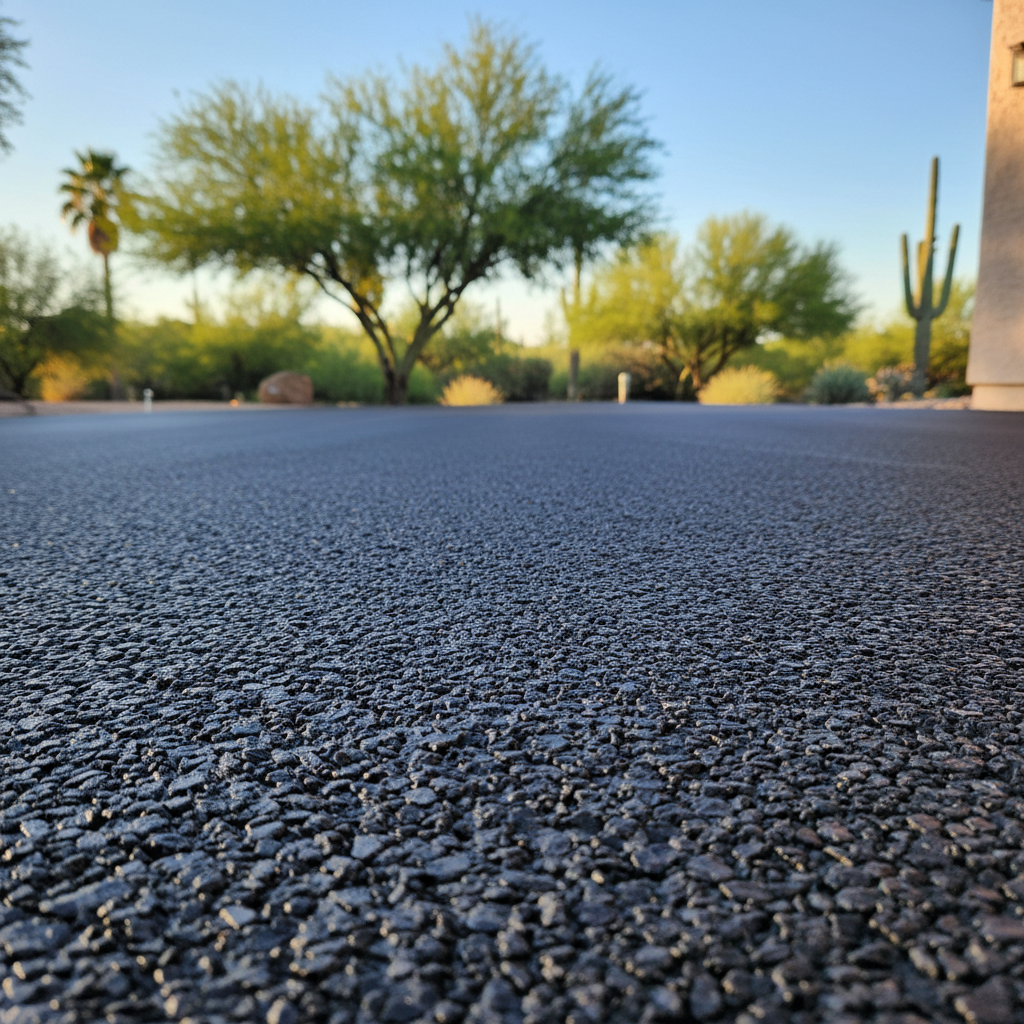
So, you're thinking about a new driveway, huh? Maybe your old one's cracked up worse than a desert floor after a summer storm, or you're finally ready to ditch that gravel and dust. Whatever the reason, getting a new driveway is a big deal for your home, and you've got questions. That's good. I'm here to give you the straight scoop on what you need to know, from someone who's been doing this work right here in Mesa for years.
Before You Even Think About Digging
First things first: planning. This isn't a weekend warrior project you jump into without some serious thought. You've got options, mainly asphalt or concrete. Both have their pros and cons, and what's best for you depends on your budget, your aesthetic, and how much traffic that driveway's going to see. Asphalt's generally quicker to put down and often a bit cheaper upfront, but it needs more regular maintenance like sealcoating to really last in our intense Arizona sun. Concrete's tougher and lasts longer without as much fuss, but it's usually pricier and takes longer to cure.
Next, you need to figure out the scope. Are we talking about a simple resurface, or a full tear-out and replacement? If your existing driveway is just showing minor cracks and fading, an overlay might be an option. But if it's crumbling, got big potholes, or the base underneath is shot, you're looking at a full replacement. Don't skimp on this assessment; a bad base means a bad driveway, no matter how good the top layer is.
Permits. Yep, you'll probably need one. Mesa has codes for everything, and a new driveway often falls under that. You don't want to get halfway through a job only to have the city shut you down. A good contractor, like us at Alpha Asphalt of Mesa, will handle all the permit stuff for you, but if you're thinking DIY, that's on your plate.
What You Can (and Can't) DIY
Alright, let's talk about what you can realistically tackle yourself versus when you absolutely need to call in the cavalry. I'm all for homeowners getting their hands dirty, but some jobs are just too big or too specialized for the average person.
- Small Patching & Sealing: This is definitely DIY territory. If you've got a few minor cracks or small potholes, you can buy asphalt patch material and a tamper. Sealcoating your asphalt driveway every few years? Totally doable. It's messy, but it's a good way to protect your investment. Just make sure you clean the surface thoroughly first.
- Drainage: This is critical and often overlooked by DIYers. Our monsoon rains can be brutal, and if your driveway doesn't drain right, you'll end up with standing water, erosion, and premature failure. Planning the slope and ensuring proper runoff is a professional job. We've seen too many driveways in places like the Dobson Ranch area that didn't account for proper drainage, leading to headaches for the homeowners.
- Base Preparation: This is where most DIY driveway projects go sideways. The base layer — usually compacted aggregate — is the foundation. It needs to be perfectly graded, compacted to specific densities, and stable. If the base isn't right, your new asphalt or concrete will crack, sink, and fail prematurely. You need heavy equipment for this, and experience to get it right. This is not a DIY job.
- Paving & Pouring: Laying asphalt or pouring concrete is skilled work. Asphalt needs to be laid at a specific temperature and compacted immediately with heavy rollers. Concrete needs to be poured, leveled, and finished correctly to prevent cracking and ensure proper drainage. You're talking about expensive, specialized equipment and a crew that knows what they're doing. Trying to do this yourself will likely result in a very expensive, very ugly mistake.
My advice? Unless it's a small patch or sealcoat, call a professional. You'll save yourself a ton of grief, money in the long run, and end up with a driveway that actually lasts.
After the Project: Keeping It Looking Good
So, the new driveway's in. Looks great, right? Now you want to keep it that way. Maintenance is key, especially with our extreme temperatures here in Mesa.
- Curing Time: If you went with concrete, stay off it! It needs time to cure properly. Your contractor will tell you exactly how long, but generally, it's a few days for foot traffic and a week or more for vehicles. Rushing this can weaken the concrete.
- Asphalt Sealcoating: For asphalt, plan on sealcoating within the first year, and then every 2-3 years after that. This protects the asphalt from UV rays, water penetration, and oil spills. It's like sunscreen for your driveway.
- Cleaning: Keep it clean. Sweep off dirt, leaves, and debris regularly. If you spill oil or other chemicals, clean them up quickly. For concrete, a pressure washer can do wonders, but be careful not to damage the surface with too much pressure.
- Crack Repair: Even with the best installation, small cracks can appear over time. Address them quickly. For asphalt, use a good quality crack filler. For concrete, sealants can help prevent water from getting in and freezing (though freezing isn't a huge concern here, water intrusion still causes problems).
- Heavy Loads: Try to avoid parking heavy RVs or equipment on your driveway for extended periods, especially on asphalt. Concentrated weight can cause depressions over time.
A new driveway is a significant investment in your home. Taking the time to plan it right, hiring the pros for the tough stuff, and then keeping up with the maintenance will ensure it adds curb appeal and functionality for years to come. If you've got questions about your specific project, don't hesitate to give us a call. We're always happy to talk shop.