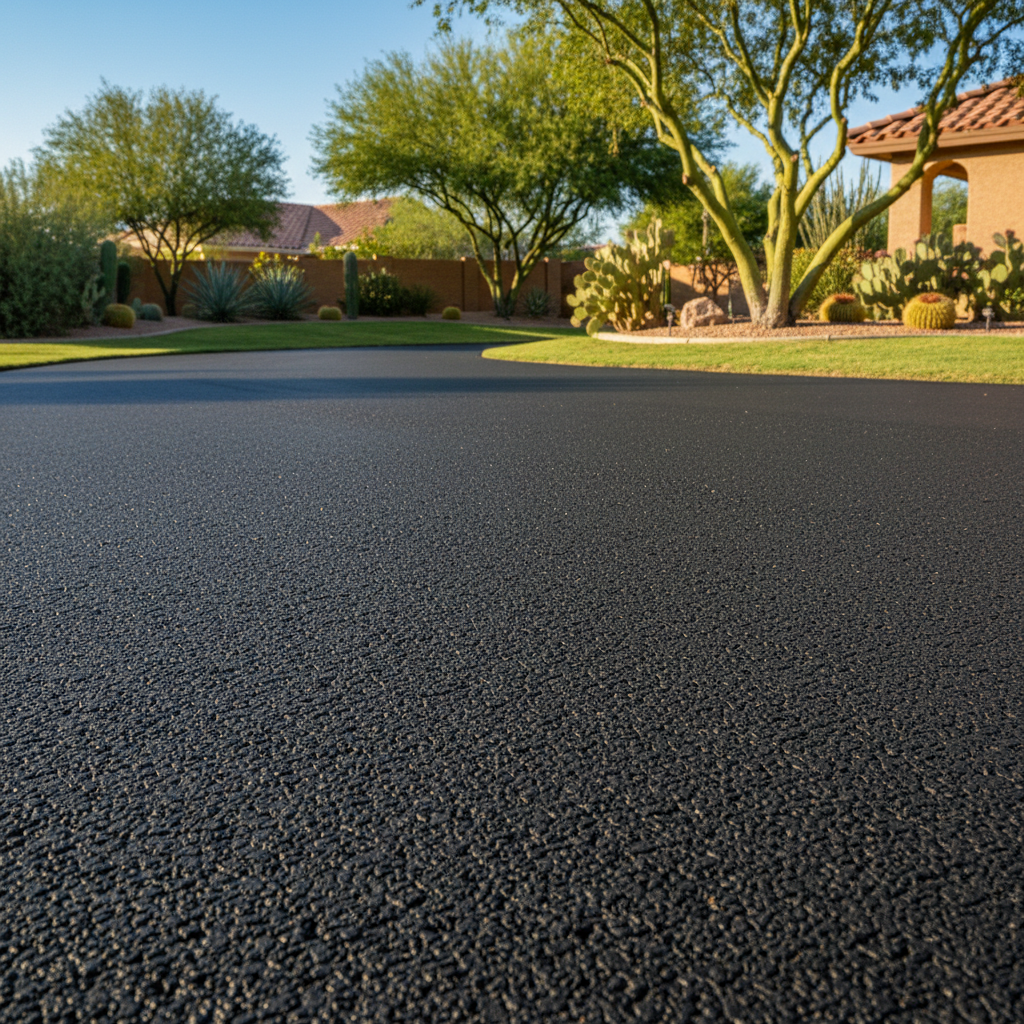
So, you're thinking about a new driveway, huh? That's a pretty big investment, no doubt about it, and you definitely want to get it right. As a local contractor right here in Mesa, I've seen all kinds of driveways – the good ones, the bad ones, and the ones that looked like a DIY disaster just waiting to happen. Let's talk straight about what you really need to know for your paving project, from start to finish. We'll also cover when it's okay to roll up your sleeves yourself versus when you absolutely, positively need to call in the cavalry.
Before You Even Think About Paving
Planning is super important, especially with our intense Arizona sun and the way our caliche soil can act up. Don't just jump into this project. Here's what you should really be thinking about:
What's the Goal? Are you replacing an old, cracked mess, or are you putting in a brand-new driveway where there was just dirt before? This changes everything, from permits to how much prep work you'll need.
Material Choice: For residential driveways, it's usually asphalt or concrete. Asphalt tends to be more flexible, handles our wild temperature swings better, and you can often repair it more easily. Concrete is incredibly durable, but it can crack if it's not installed just right, especially with our expansive soils. Consider what fits your budget and how it'll look with your home.
Drainage, Drainage, Drainage: This is huge. Water is the enemy of any pavement, period. Where will the rain go? You certainly don't want it pooling on your brand-new driveway or, worse yet, running right towards your house foundation. A good contractor will always factor in proper grading and drainage. If you're doing it yourself, this is one area you absolutely cannot skimp on, believe me.
Permits: Yeah, I know, paperwork. But depending on what you're doing and where your property lines are, you might need a permit from the City of Mesa. Always check with the city's planning department. It's way better to ask upfront than to get slapped with a fine or have to tear out your new work.
Get Multiple Quotes (from reputable pros): Even if you're planning to DIY parts of it, get quotes for the whole job. This gives you a good baseline for costs and helps you understand the full scope of work involved. Ask for references, check their licenses, and make sure they're insured. Around here, Alpha Asphalt of Mesa is always happy to give you a transparent estimate.
During the Project: DIY vs. Pro
Alright, so you've done your homework. Now comes the actual work. This is where the line between doing it yourself and calling a pro gets pretty clear.
What You Can (Maybe) DIY
Demolition of an old asphalt driveway: If you've got an old asphalt driveway that's only a few inches thick and you're feeling ambitious, you *could* rent some equipment and break it up yourself. But be warned, it's back-breaking work, and getting rid of the debris is a whole other headache.
Minor grading/prep for a small area: For a tiny patch or a pathway, you might be able to do some light grading with hand tools. But for a full driveway? Forget it. You need heavy equipment to get the base right.
Edging or decorative elements: If you want to add some pavers or a stone border around your new driveway, that's definitely something you can tackle yourself after the main paving is done. It adds a nice touch, doesn't it?
When to Call in the Pros (Always, for the main paving)
Let's be real. Paving a driveway, especially with asphalt or concrete, is not a weekend warrior project for 99% of homeowners. Here's why:
Heavy Equipment: You need excavators, rollers, asphalt pavers, and specialized tools. Renting them is expensive, and operating them effectively takes real skill and experience.
Proper Base Preparation: This is the most crucial part, particularly in Mesa where we deal with that stubborn caliche. If your base isn't properly excavated, compacted, and graded, your new driveway will fail, no matter how good the top layer is. We're talking cracks, potholes, and drainage issues within a year or two. Pros know how to handle our local soil conditions to ensure a stable foundation.
Material Handling: Asphalt needs to be laid at specific temperatures and compacted quickly before it cools. Concrete needs to be mixed correctly, poured, leveled, and cured precisely. This isn't something you'll learn from a quick YouTube video, trust me.
Longevity and Warranty: A professional job comes with a warranty. If something goes wrong, they'll fix it. If you DIY, you're on the hook for everything that happens.
After the Paving is Done
Congratulations, you've got a beautiful new driveway! But the work isn't entirely over. Here's how to keep it looking good and lasting for years:
Curing Time: For asphalt, try to stay off it for at least 24-48 hours, and avoid heavy vehicles for a week. Concrete takes longer – usually 7 days for light traffic and 28 days to reach full strength. Your contractor will give you specific instructions, so listen up.
Cleaning: Keep it clean. Sweep off dirt and debris regularly. For oil or grease spills, tackle them immediately. For asphalt, use a mild detergent and a stiff brush. For concrete, a pressure washer can work wonders, but be careful not to damage the surface.
Sealcoating (for asphalt): This is like sunscreen for your driveway. Here in Mesa, with our intense UV rays, sealcoating every 2-4 years is essential. It protects the asphalt from oxidation, water penetration, and oil spills, extending its life significantly. Alpha Asphalt of Mesa can help you with this regular maintenance.
Crack Repair: Don't ignore small cracks. They'll only get bigger and let water in, leading to more damage. Fill them promptly with appropriate crack filler. Catching them early saves you a lot of money down the road.
Avoid Heavy Loads: Try not to park heavy RVs or equipment on your driveway for extended periods, especially if it's new. Concentrated weight can cause depressions or cracks over time.
Look, a new driveway is a big deal. You want it to last, look good, and add value to your home. While there are some small things you can do yourself, for the main paving job, trust me, you're better off hiring experienced professionals. It'll save you headaches, money, and a whole lot of frustration in the long run.