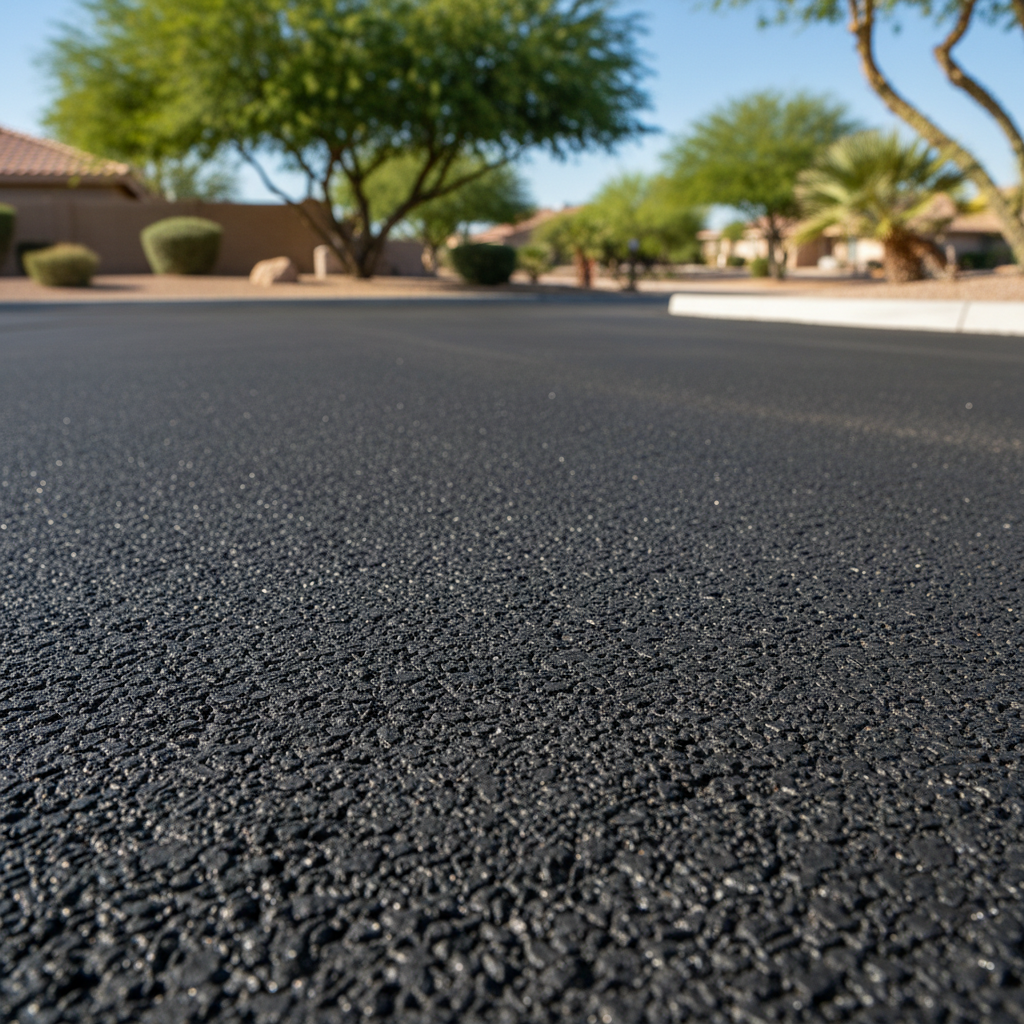
Ever stared at a crumbling stretch of asphalt on your property and wondered how to fix it? If you live around Mesa, you already know our desert environment is brutal on paved surfaces. Between the intense summer UV rays baking the binders and the sudden monsoon downpours washing out edges, maintaining a solid parking pad or extended private drive takes some planning. Here is a breakdown of what you can realistically handle yourself and when it is time to bring in experienced local crews like Alpha Asphalt of Mesa.
Before the Project Starts: Prep and Planning
Proper site preparation makes or breaks the entire job. If you are dealing with a small area, say a few feet near the garage apron, you might be able to handle minor debris clearing, weeding, and sweeping on your own. However, grading and compacting the sub-base require heavy machinery. Mesa soil ranges from loose desert sand to stubborn caliche hardpan, which means getting the right slope for water drainage takes a trained eye and commercial-grade compactors. Trying to skip proper base prep yourself will only lead to premature cracking next season.
During the Pave: DIY vs. Contractor Heavy Lifting
When paving day arrives, you need to know your limits. Cold patch from the hardware store is fine for filling a quick pothole in a pinch, but it is a temporary fix. If you are paving a larger surface area or laying fresh hot-mix asphalt, this is firmly in contractor territory. Paving requires coordinated delivery trucks, heavy rollers, and precise temperature management. Hot mix cools fast, especially when the wind kicks up across the valley. Alpha Asphalt of Mesa uses specialized equipment to lay down uniform thickness that will not wave or rut under vehicle weight. If you try to hand-trowel a large section yourself, you will likely end up with an uneven mess that holds standing water.
After the Project: Curing and Upkeep
Once the paving crew packs up, your job as the property owner begins. Fresh asphalt needs time to cure under the Arizona sun. You can easily manage the post-project phase by keeping foot and vehicle traffic off the fresh surface. Keep heavy trucks off the new pad for at least 72 hours, and avoid sharp steering turns while parked during the first few weeks when the material is still settling. Long-term maintenance like sealing every few years is something motivated property owners can tackle with a push broom and a bucket of sealer, provided you follow the manufacturer instructions carefully.